

The moments too fast to see, shot in Florida.
The splash, the shatter, the pour, the impact, all captured at 1000+ frames per second and slowed down until the flash of an instant becomes the shot people can't look away from.

Most companies rent it for a day and pray.
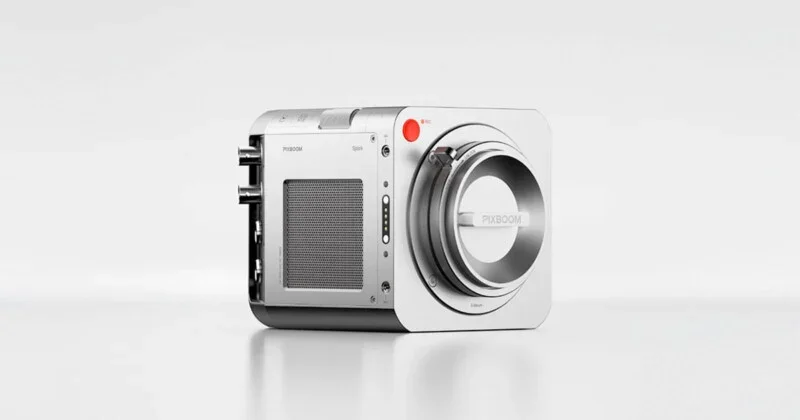
We own a Pixboom Spark, capable of 1000fps+ at 4k resolution. Owning it instead of renting it for a shoot is the whole difference: we've had the hours behind it to know how to light for it, how to expose for it, and how to design shots around it, so the footage lands the first time instead of on a re-shoot.
What it's actually for.
STRETCHED TO ~42s
Product launches
Liquids, drops, mechanisms, materials made in the blink of an eye. The split-second behavior of a product becomes the hero shot of the whole campaign.
Food & beverage
The pour, the sizzle, the splash. Pairs directly with our Food and Beverage photography. Still photography and slow-mo from one setup.
Sports & biomechanics
Form breakdowns, impact analysis, and technique study captured frame-accurate at speeds the eye can't resolve on its own.
Commercial hero shots
The single moment a spot is built around dropped into the edit at a speed that makes viewers stop scrolling.
Shot at speed.
Just how slow is 1000 frames per second?
Video plays back at a fixed rate, usually 24 or 30 frames per second. Capture faster than that and play at the normal rate, and time stretches: the slowdown is simply capture rate ÷ playback rate. Shoot at 1000fps and play at 24, and one real second unspools over roughly 42 seconds of screen time.
The catch is light. At high frame rates each frame's exposure window shrinks, thus letting in less light. At 1000fps the shutter is open no longer than 1/1000th of a second per frame, though often at 1/2000 of a second. Far less light reaches the sensor and that's why high-speed work is almost always heavily lit: hitting a clean exposure can take 10–40× the light of a normal setup. It's also why it's the practice behind the camera, not just the camera, that makes the footage usable.
Have a shot in mind that needs slowing down?
Tell us the moment you want to freeze, a beverage pour, the impact, the explosive reveal! We'll design the lighting and the capture around it.
Before you book the shoot.
The things worth knowing about high-speed work before the camera rolls.
What frame rates can you shoot?
Up to 1000fps in 4k, 1800 fps in 2k, and up to 25,000 in lower resolutions. In practice we match the rate to the look, some deliverables live at 240–480fps, and we reserve the very high rates for moments that truly need them, since higher speeds demand dramatically more light.
Why does slow-mo need so much light?
At high frame rates, each frame's exposure window shrinks, at 1000fps the shutter is open no longer than 1/1000th of a second per frame — so far less light reaches the sensor. Getting a clean, noise-free image can take many times the light of a standard shoot, which is why high-speed work is almost always heavily lit.
Can high-speed work outdoors?
Yes, in bright direct sun, which supplies the light the higher frame rates need. In shade, overcast, or indoors we bring supplemental lighting to hit exposure. We'll tell you honestly at planning whether a given location and time of day will hold up at the frame rate you want.
Do you rent the high-speed camera separately?
If you'd rather run your own crew, see Gear Rentals for availability and rates. Given how much lighting high-speed capture takes, most clients have us shoot it, but the option and the lights are there.